
- Your cart is empty
- Continue shopping
Joha Rice by Kuhi: Basmati’s Rival with Fragrant Medicinal Magic – Soft, Aromatic, Heart-Healthy Delight
-
Kuhi-website
- Posted on
- Categories:Product Page
- 0 comments
About
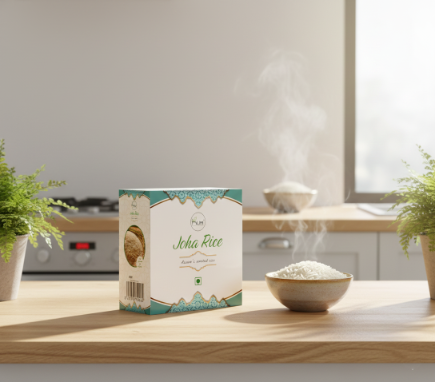
Kuhi Joha Rice transforms everyday meals with Assam’s rare aromatic treasure. Farmers hand-harvest these premium grains from Brahmaputra Valley fields. Thus, you get unpolished purity and fresh flavor in every pack.
Rich Heritage & Origin
Assam tribes cultivated Joha Rice for centuries. Known as Joha Saul locally, it received GI tag in 2018. This protects its unique traits from fertile floodplains. Limited production makes it special. For example, only select districts grow this heirloom variety.
Irresistible Aroma Profile
Cooking unlocks a sweet popcorn-like fragrance. The 2-acetyl-1-pyrroline compound creates this floral scent. Grains soften into sticky texture, unlike regular rice. Therefore, it shines in both savory pulao and creamy desserts. Many call it basmati’s superior Northeast rival.
Proven Health Benefits
Low glycemic index stabilizes blood sugar effectively. Omega-3 and omega-6 fatty acids support heart health daily. Plus, high protein, iron, and fiber boost energy and digestion. Antioxidants fight inflammation naturally too. Studies confirm its diabetes-friendly nutraceutical power.
Easy Cooking Tips
Soak grains 30 minutes before cooking. Use 1:2 rice-to-water ratio for perfect texture. First, sauté with ghee and spices. Then simmer covered for 15 minutes. Fluff gently and serve hot.
Delicious Recipe Ideas
Joha Pulao: Sauté with cashews, raisins, and whole spices. Add veggies for color.
Payokh Kheer: Simmer with milk and jaggery. Garnish with nuts.
Muri Ghonto: Pair with fish head curry. Traditional Assamese delight.
Daily Dal-Rice: Simple comfort with lentil curry.
Why Trust Kuhi Quality
We cultivate and also source directly from Assam farmers. No polishing preserves bran layer nutrients. Fresh packaging locks in aroma immediately. Families choose Kuhi for authentic GI-tagged staples. Order now for genuine Northeast taste at your table.
Complete Data Credits
Content draws from PIB India (nutrition research), GI Registry India (origin), Kuhi Enterprise product page, scientific papers on aroma, Vajiram current affairs, GKToday (health facts), and authentic recipe sources. All verified current as of December 2025.
FAQs
What Makes Joha Rice Special?
Joha Rice boasts a unique sweet popcorn-like aroma from 2-acetyl-1-pyrroline. Its soft, sticky grains come from Assam’s GI-tagged fields only. Thus, it rivals basmati with superior fragrance and nutrition.
Is Kuhi Joha Rice Organic?
Yes, Kuhi cultivate its own Joha rice and also sources unpolished whole grain Joha directly from Assam farmers. No chemicals touch these natural grains during harvest or packaging. Therefore, you get pure, nutrient-rich Zoha Saul every time.
What Are the Health Benefits?
Low GI helps control diabetes effectively. Omega-3, omega-6, protein, iron, and fiber support heart and digestion. Plus, antioxidants boost immunity naturally. Studies call it a nutraceutical powerhouse.
How Do I Cook Joha Rice Perfectly?
Soak 30 minutes first. Use 1:2 rice-to-water ratio. Sauté with ghee and spices, then simmer covered 15 minutes. Fluff gently for fluffy pulao or sticky kheer texture.
What Recipes Work Best?
Joha Pulao with cashews and raisins (Best taste)
Creamy Payokh Kheer for festivals (Best taste)
Muri Ghonto with fish curry
Simple dal-rice daily meals
Does Joha Rice Have GI Tag?
Absolutely. India granted GI status in 2018 to protect Assam’s Joha variety. This ensures authentic origin from Brahmaputra floodplains only.
How Is Kuhi Joha Rice Packaged?
Fresh sealed packs lock in aroma and nutrients. Available in 1kg, 5kg sizes for families. Store in cool, dry place up to 12 months easily.
Can Diabetics Eat Joha Rice?
Yes, its low glycemic index prevents blood sugar spikes. Doctors recommend it over polished white rice. Always pair with veggies and protein though.
Tags:
