
- Your cart is empty
- Continue shopping
Dry Bhut Jolokia – Naga Mirchi – King Chilli – Dried Ghost Pepper
-
Kuhi-website
- Posted on
- Categories:Product Page
- 0 comments
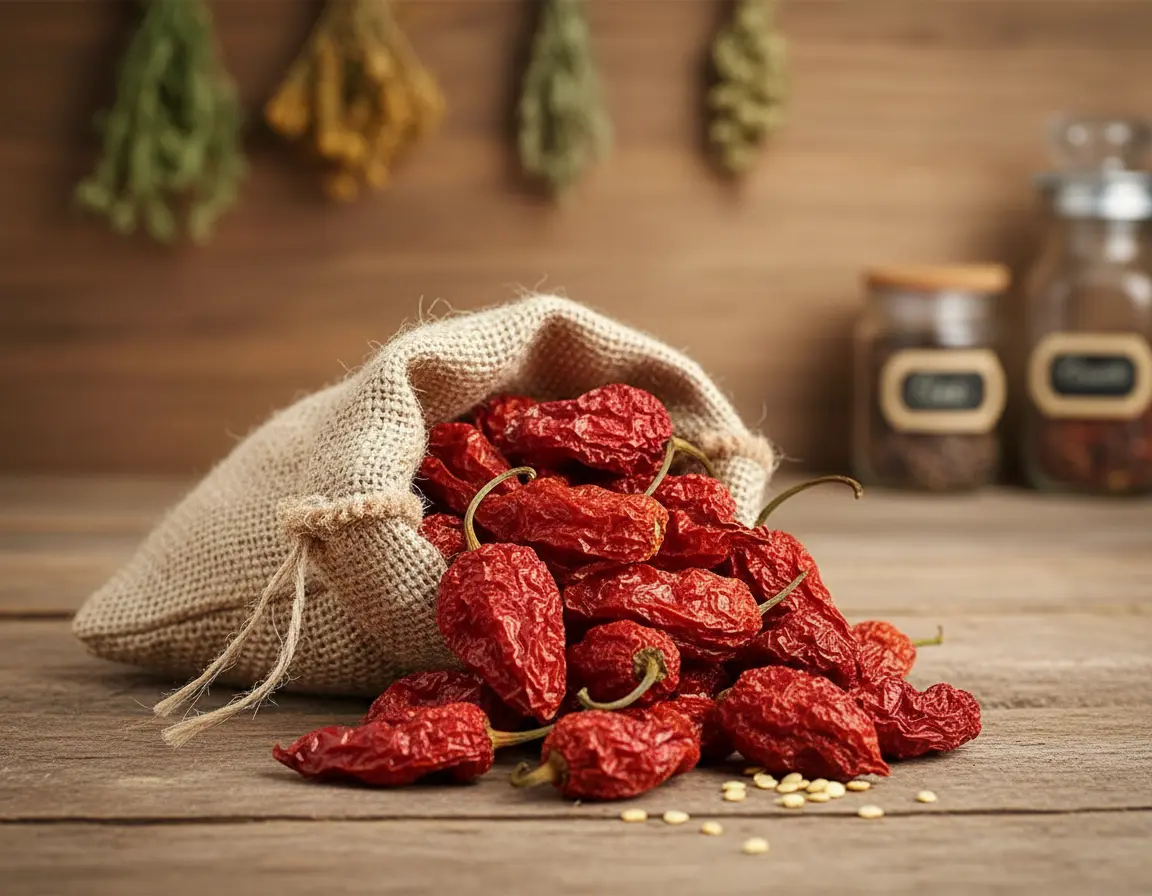
Known by many names such as Bhut Jolokia, Naga Mirchi, King Chilli, and Ghost Pepper, this fiery spice from the Northeast of India is not just a chili — it’s an experience. Native to Assam and Nagaland, Bhut Jolokia once held the world record as the hottest chilli. Even today, it remains a powerful symbol of India’s bold and spicy food culture.
The Origin of Bhut Jolokia/King Chili
Bhut Jolokia grows best in the humid, fertile soil of Assam and its surrounding regions. Locally, people call it Naga Mirchi or Bhut Jolokia, names that signify respect for its intense heat and distinct aroma. Unlike ordinary chilies, Ghost Pepper offers a rich, smoky flavor that deepens the taste of any dish. Therefore, every bite becomes a mix of heat and complexity.
Unique Features of Dried Ghost Pepper
When dried naturally, Bhut Jolokia loses none of its fiery essence. In fact, the drying process concentrates its capsaicin, making it even more potent. As a result, dried Ghost Pepper can bring immense flavor even in small quantities. It is often ground into powder or broken into flakes to spice up curries, pickles, and chutneys.
Moreover, the dried Naga Mirchi has a longer shelf life and retains its signature aroma. This makes it a perfect ingredient for both home chefs and restaurant kitchens that wish to add a bold Assamese touch to their recipes.
Culinary Uses of King Chilli
Despite its intensity, King Chilli is a favorite among spice lovers. In Assamese and Naga cuisine, it appears in pickles, meat curries, and dry chutneys. When blended into sauces, it delivers a deep smoky note that enhances even simple dishes. Additionally, chefs worldwide use Ghost Pepper powder to make hot sauces and spice blends that stand out for their powerful flavor.
Beyond its heat, Bhut Jolokia is rich in antioxidants, vitamins A and C, and natural compounds that help boost metabolism. Regular consumption (in small amounts!) can aid digestion and improve immunity. Furthermore, the capsaicin in Naga Mirchi is known to have anti-inflammatory and pain-relieving qualities.
Add Your Heading Text Here
If you love intense flavors, dry Bhut Jolokia or dried Naga Mirchi deserves a place in your kitchen. Its fiery nature, combined with a deep earthy aroma, makes it one of the most unique chillies in the world. Whether you call it Bhut Jolokia, Ghost Pepper, or King Chilli — one thing is certain: it will set your taste buds ablaze and make every dish unforgettable.
Click to Buy
FAQs
Q1. What exactly is dry Bhut Jolokia?
Dry Bhut Jolokia is whole ghost chilli that has been naturally dehydrated to concentrate its heat, flavour, and aroma while extending shelf life.
Q2. How hot is this chilli compared to regular chilli?
Bhut Jolokia can cross 1,000,000 Scoville Heat Units, which is many times hotter than common Indian red chillies used in daily cooking.
Q3. What does dry Bhut Jolokia taste like besides being spicy?
Beyond the burn, it offers a deep smoky note with subtle fruity and earthy tones that show best when used in slow-cooked dishes.
Usage and cooking
Q4. How much dry Bhut Jolokia should a beginner use in food?
Start with a tiny piece or a small flake in a full pot of curry, dal, stew, or meat dish and increase only after tasting the heat level.
Q5. Do I need to soak dry Bhut Jolokia before cooking?
You can add it directly to hot oil or gravy, but soaking in warm water for a few minutes softens the skin and helps release flavour more evenly.
Q6. Can I use it to flavour oil or tadka?
Yes, temper whole or broken pods briefly in hot oil on low flame to infuse heat; remove the pieces if you want strong flavour but controlled spice.
Q7. Which dishes work best with dry Bhut Jolokia?
It pairs well with rustic curries, smoked meat, lentil preparations, pickled vegetables, and homemade hot sauces where deep heat is desired.
Safety and handling
Q8. How should I handle dry Bhut Jolokia safely at home?
Always wear gloves, avoid touching your face or eyes, and work in a well-ventilated kitchen to prevent irritation from the chilli fumes.
Q9. What should I do if the chilli burns my skin or mouth?
For skin contact, wash with mild soap and water; for mouth burn, consume milk or yoghurt, as water does not reduce capsaicin-related heat.
Q10. Is dry Bhut Jolokia suitable for everyone?
People with acidity, ulcers, or other digestive issues, as well as children and the elderly, should either avoid it or use it only under medical advice.
Storage and shelf life
Q11. How should I store dry Bhut Jolokia to keep it fresh?
Keep the pods in an airtight container made of glass or steel and store in a cool, dry, dark place away from moisture and direct sunlight.
Q12. What is the typical shelf life of dry Bhut Jolokia?
When stored properly, dry Bhut Jolokia usually maintains its heat and aroma for around 12–18 months, although intensity can slowly reduce over time.
Sourcing and quality
Q13. Where does authentic Bhut Jolokia usually come from?
Authentic Bhut Jolokia is traditionally grown in the Northeastern states of India, especially Assam and Nagaland, known for ideal soil and climate.
Q14. How can I recognise good-quality dry Bhut Jolokia pods?
Premium pods look uniformly wrinkled, clean, and well-dried with no visible mould, pests, or foreign particles, and they release a strong aroma when broken.
Health and benefits
Q15. Are there any potential benefits of consuming Bhut Jolokia in moderation?
In small amounts, capsaicin-rich chillies may help boost metabolism, support digestion, and provide antioxidant activity, but they must be used responsibly.
Tags:
